Rabbit Design: A Designer’s Practical Review for Real Embroidery Projects
As a designer who has spent countless hours staring at digitizing software and even more time watching needles punch through fabric, I have learned that not every cute graphic translates well into thread. When I first pulled up the Rabbit Design file on my screen, my initial reaction was cautious optimism. It looked charming in the preview window, but we all know that digital previews can be deceiving. The real test is always in the hoop. I wanted to see if this design held up under the scrutiny of actual stitching, specifically for clients who expect crisp, professional results on their custom orders.
First Impressions and Visual Personality
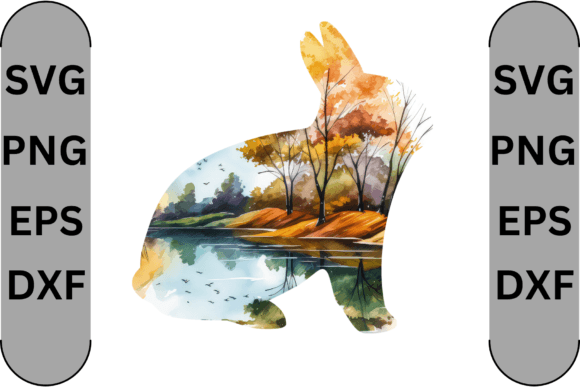
The mood of this Rabbit Design is undeniably soft and approachable. It avoids the overly complex shading that often causes thread breaks or puckering, opting instead for clean lines and balanced shapes. For those of us in the Crafts industry, finding designs that bridge the gap between whimsical and professional is rare. This layout feels intentional. The silhouette is distinct enough to be recognized from a distance, which is crucial for items like tote bags or caps where fine detail gets lost. The visual personality suggests warmth, making it an ideal candidate for nursery decor, baby showers, or spring-themed collections.
What stands out immediately is the balance between open space and filled areas. In embroidery, negative space is just as important as the stitch itself. This design uses it well, preventing the final product from looking like a heavy, stiff patch of thread. It breathes. For an Etsy seller or small shop owner, this means the finished item will drape better and feel higher quality to the touch.
Real-World Application: The Tote Bag Test
To truly evaluate its viability, I decided to use this design for a custom embroidered tote bag order. Tote bags are tricky because canvas is thick, textured, and unforgiving. If a design is too dense, the fabric warps. If it is too sparse, the background fabric shows through awkwardly. I stabilized the canvas with a medium-weight cut-away stabilizer, knowing that the customer would likely wash this bag frequently.
The stitching process revealed the true nature of the machine embroidery design. The fill stitches were consistent, without excessive jumping or long travel threads that could snag. The satin stitch borders, where present, were tight and smooth. On the textured canvas, the design popped beautifully. It didn’t get lost in the weave. This success suggests that the stitch density is well-calibrated for medium-to-heavy fabrics. However, I noted that on thinner fabrics, such as a lightweight cotton t-shirt, the same density might cause slight puckering if not properly hooped and stabilized.
Versatility Across Product Lines
Beyond tote bags, I evaluated how this embroidery file would perform across other common product categories. For sweatshirt embroidery, the design shines. The loft of fleece or French terry complements the soft aesthetic of the rabbit. It looks substantial without being bulky. For baby embroidery, such as onesies or burp cloths, the design is gentle. There are no sharp, aggressive angles that might irritate sensitive skin, assuming the backing is trimmed correctly.
I also considered its use for embroidered patches. Because the outline is clear, it would digitize well into a merrowed edge patch format. This opens up opportunities for craft business owners who sell accessories rather than full garments. For holiday embroidery, adding simple elements like eggs or flowers around the rabbit could easily seasonalize the asset without requiring a complete redesign. This flexibility is a huge time-saver for digital product sellers who need to refresh their inventory regularly.
Where Caution Is Needed
While the design is strong, it is not without limitations. I would hesitate to use this specific file on very stretchy fabrics like performance athletic wear without significant stabilization testing. The curves in the rabbit’s ears and body require precise tension control. On curved surfaces, such as caps or hats, the design might distort if it is too wide. I recommend checking the exact dimensions against your hoop size before committing to a expensive hat blank.
Additionally, be mindful of dark fabric backgrounds. If the design relies on light thread colors for contrast, ensure you are using high-quality rayon or polyester threads that do not bleed. A poor color choice can make the details muddy. Always run a test stitch on scrap fabric of the same type and color as your final product. This is non-negotiable for maintaining customer trust and professionalism.
Impact on Brand Value and Customer Perception
In the world of handmade products, presentation is everything. A clean, well-stitched design signals quality. When a customer receives a personalized gift featuring this rabbit, the clarity of the stitches reflects directly on your brand. Sloppy fills or loose threads suggest haste; crisp, balanced stitching suggests care. This Rabbit Design supports the latter. It enhances the perceived value of the finished product, allowing you to price your items competitively while maintaining healthy margins.
For commercial embroidery projects, consistency is key. This file appears stable across multiple runs, meaning the tenth item will look just as good as the first. This reliability is essential for fulfilling bulk orders for boutique branding or corporate gifts. It reduces waste and rework, which directly impacts your bottom line.
Practical Notes for Designers and Makers
Before you purchase or download this digital embroidery file, consider these practical steps to ensure success:
- Check Licensing: Confirm whether the license allows for commercial use if you plan to sell finished items. Never assume.
- Test on Scrap: Always stitch a sample on the actual fabric you intend to use. Fabric texture varies wildly between brands.
- Review Stitch Density: If your machine struggles with dense files, check if a lighter version is available or adjust your tension settings.
- Color Contrast: Use a black-and-white mockup to ensure the design’s shape is readable without color reliance.
- Stabilizer Choice: Match your stabilizer to the fabric weight. Cut-away for stretchy or washable items, tear-away for stable woven fabrics.
- Hoop Size: Verify the design dimensions fit comfortably within your smallest hoop to avoid re-hooping errors.
In conclusion, the Rabbit Design is a solid addition to any designer’s library. It is versatile, visually appealing, and technically sound for most standard applications. It fits naturally into the workflow of small shop products and custom apparel lines. While it requires standard due diligence regarding fabric choice and stabilization, it rewards the user with a professional, charming result that customers love. For makers looking to expand their design assets with something that feels both timeless and fresh, this design deserves a spot in your next embroidery project.