Hydrangea Flowers Clipart: A Designer’s Review
When I first pulled up the Hydrangea Flowers Clipart on my screen, I wasn’t looking for just another pretty picture. As an embroidery designer who has spent years troubleshooting puckered fabrics and broken needles, I look at digital assets with a critical eye. I need to know if a design will survive the transition from pixel to thread. This particular set caught my attention because of its soft, organic structure, but the real test is always in the stitching. Does it hold up under the needle? Is it viable for a commercial Crafts project, or is it merely decorative fluff?
The First Impression: Mood and Structure
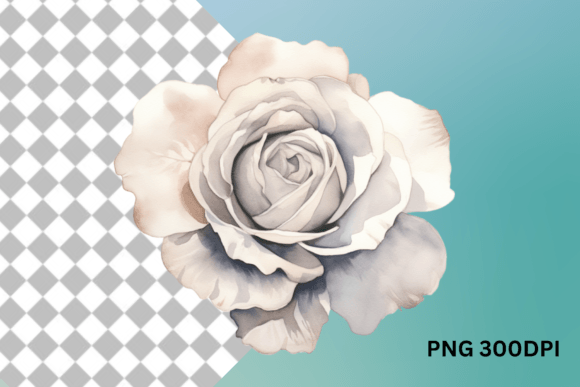
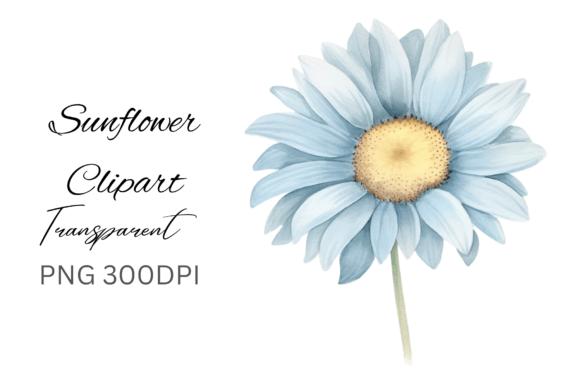
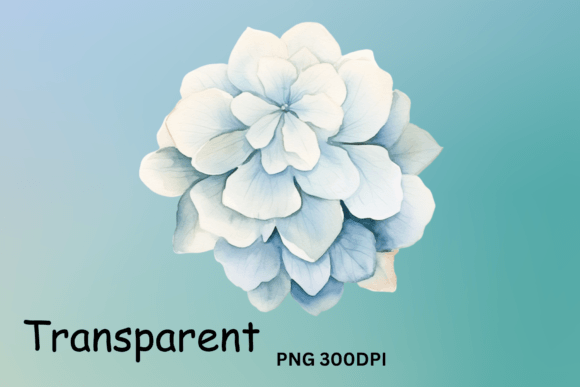
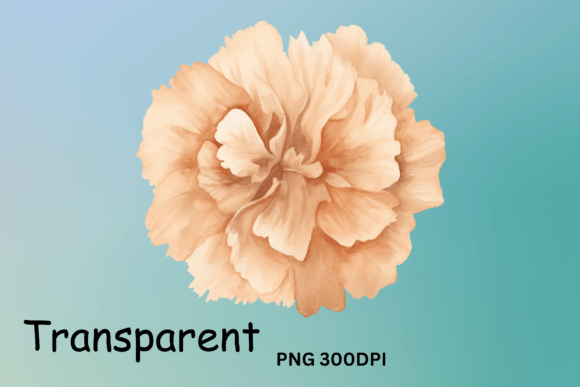
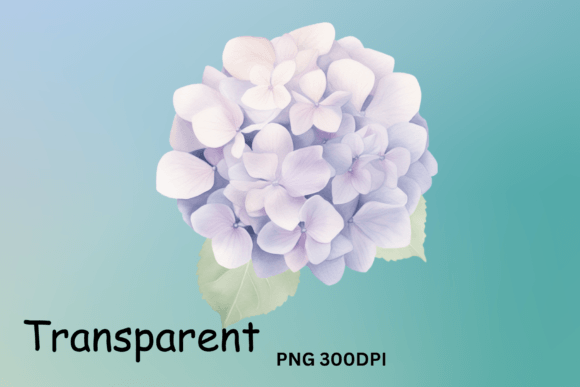
The immediate vibe of this clipart is gentle and nostalgic. Hydrangeas are complex blooms, often composed of hundreds of tiny florets clustered together. In many digital representations, this complexity translates into a visual mess when scaled down. However, this design manages to simplify the botanical details without losing the essential character of the flower. The layout feels balanced, with a natural flow that suggests movement rather than static rigidity.
For an embroidery project, this visual personality is crucial. It suggests a style that works beautifully for spring collections, wedding gifts, or nursery decor. It doesn’t scream for attention; instead, it invites a closer look. This subtlety is often what separates a high-end handmade product from a generic mass-produced item. The detail level appears moderate, which is a good sign. Too much detail in a floral design often leads to excessive stitch counts and dense areas that can stiffen the fabric, while too little detail can make the flower unrecognizable.
Real-World Application: From Screen to Stitch
To truly evaluate this asset, I imagined a specific scenario: a custom order for a boutique client wanting a line of embroidered tote bags for a spring market. The client wanted something fresh, feminine, but durable enough for daily use. I visualized placing the Hydrangea Flowers Clipart on a heavy canvas tote. The broad petals and clustered nature of the hydrangea lend themselves well to fill stitches, which provide excellent coverage on textured fabrics like canvas or denim.
If I were using this for a sweatshirt embroidery project, the approach would shift. The softness of the design complements the cozy feel of fleece or cotton blends. Here, the key would be managing the stitch density. Hydrangeas can become heavy if every tiny floret is stitched out fully. A smart designer might opt for a combination of satin stitch for the outer petals and a lighter fill stitch or even running stitch for the inner details to keep the garment flexible and comfortable. This adaptability makes the design versatile for various custom apparel items, from baby clothes to adult caps.
Navigating Fabric and Hoop Constraints
While the design is visually appealing, there are practical constraints to consider. Embroidery is not printing; thread has physical volume. When working with this clipart on thin fabric, such as a silk scarf or a lightweight summer tee, the density of the floral cluster could cause puckering. In these cases, using a high-quality cut-away stabilizer is non-negotiable. For stretchy fabrics, like those used in athletic wear or fitted t-shirts, the design needs to be digitized with care to prevent distortion during washing.
Hoop size is another critical factor. If you are planning to use this on a small item, like a baby onesie or a pocket square, you must ensure the design scales down without losing its identity. Tiny details can get lost or become tangled nests of thread if the resolution isn’t sufficient. I always recommend testing the design on scrap fabric first, specifically in the smallest hoop size you intend to use. This allows you to check for thread breaks and ensure that the fine lines of the stems and leaves remain crisp.
Dark fabrics present their own challenge. If the clipart relies on subtle shading, it may not pop against black or navy material. In such cases, consider using a lighter underlay or adjusting the thread colors to ensure contrast. A white or pastel hydrangea on dark denim can look stunning, but only if the stitch path is optimized to cover the background fabric completely.
Commercial Viability and Brand Consistency
For Etsy sellers and small shop owners, the visual appeal of a design directly impacts buyer engagement. A well-executed embroidery project builds trust. Customers can spot a rushed job from a mile away. The Hydrangea Flowers Clipart, when stitched with precision, elevates the perceived value of the finished product. It suggests professionalism and attention to detail.
This design fits seamlessly into a brand identity focused on nature, tranquility, or handmade quality. It works well for holiday embroidery, particularly for Mother’s Day or Easter collections. It also serves as a strong element for personalized gifts, where the emotional connection is as important as the aesthetic. When used in printable mockups or digital product previews, the clarity of the original clipart ensures that your marketing materials look polished and professional.
Practical Designer Notes
- Test on Scrap Fabric: Always run a test stitch-out before committing to the final garment. Check for tension issues and thread breaks.
- Check Thread Color Contrast: Ensure your chosen thread colors stand out against the fabric background. Use a color chart to preview combinations.
- Review Stitch Density: If the design feels too stiff after stitching, reduce the density in the digitizing software or choose a lighter fill pattern.
- Confirm Hoop Size: Make sure the design fits comfortably within your hoop, leaving enough margin for the frame to grip the fabric securely.
- Inspect Small Details: Zoom in on the digital file to ensure that tiny elements like stamens or leaf veins are not too close together, which can cause merging.
- Use Proper Stabilizer: Match the stabilizer to the fabric type. Cut-away for knits, tear-away for wovens, and wash-away for delicate or sheer fabrics.
- Verify Licensing: Before selling finished items or digital products, confirm the license terms of the clipart. Ensure it allows for commercial use in embroidery projects.
Final Thoughts on Usability
The Hydrangea Flowers Clipart is a solid choice for designers who understand the nuances of machine embroidery. It is not just a static image; it is a foundation for creating tangible, beautiful objects. Whether you are creating an embroidered patch for a jacket, a decorative accent on a pillow cover, or a centerpiece for a kitchen towel, this design offers the flexibility needed for diverse applications.
Remember, the success of the final product depends largely on execution. The best digital embroidery file can fail if the tension is off or the stabilizer is wrong. Conversely, a simple design can shine with perfect technique. Treat this clipart as a partner in your creative process. Respect its structure, adapt it to your materials, and it will reward you with a finished product that customers love to touch and keep. For any craft business aiming to stand out, combining thoughtful design choices with technical precision is the key to long-term success.