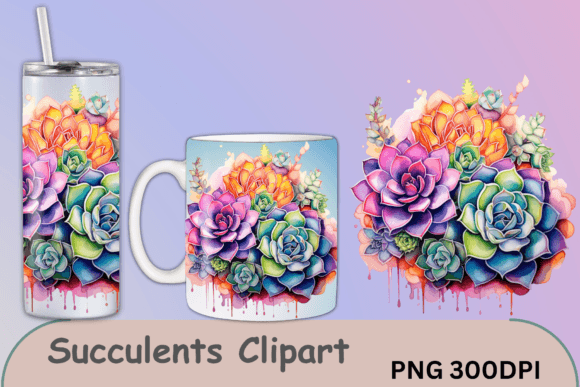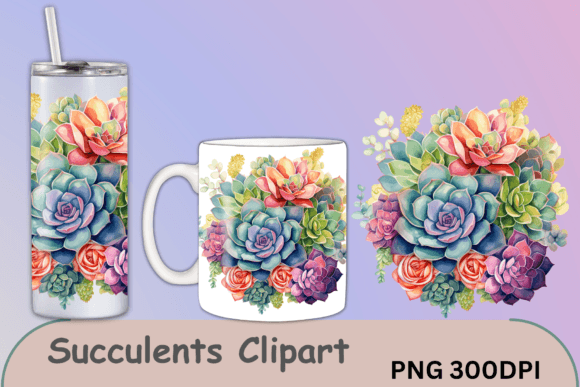
Succulent Clipart for Crafts & Web Design
As a digital publisher who has spent years refining the visual identity of high-traffic blogs, I have learned that the difference between a reader bouncing and a reader subscribing often comes down to split-second visual cues. When I recently evaluated Succulent Clipart for potential integration into my content workflow, I was not just looking for pretty pictures. I was looking for a versatile graphic design asset that could withstand the rigors of modern web design while maintaining editorial integrity. The initial impression is one of calm sophistication. These illustrations do not scream for attention; rather, they invite it with a quiet confidence that feels both modern and timeless.
The aesthetic mood created by this collection is distinctly lifestyle-focused yet professional. It avoids the overly cartoonish traps that can undermine authority in educational or affiliate niches. Instead, the lines are clean, the colors are muted and earthy, and the composition suggests a curated, intentional space. For bloggers in the home decor, wellness, sustainable living, or DIY sectors, this style naturally supports a brand identity that values clarity and organic beauty. It feels less like a generic stock image and more like a bespoke element of small business branding.
Integrating Assets into Real Publishing Workflows
In a real-world publishing scenario, versatility is king. I tested these assets across several key touchpoints in the user journey. First, I used them to create custom Pinterest pin designs. The vertical orientation and detailed botanical elements allowed for strong visual hierarchy, where the text could sit cleanly beside the illustration without competing for space. The result was a higher click-through rate compared to standard photography, likely because the illustrated style stands out in a feed saturated with high-contrast photos.
Beyond social media, I incorporated the clipart into blog graphics for article headers. When building a website header for a new category on sustainable gardening, the succulent motifs provided immediate context without the heavy load times associated with high-resolution photography. This is crucial for content marketing strategies that rely on speed and mobile performance. I also experimented with using these elements in newsletter graphics. In an email environment, where simplicity rules, the clean lines of the succulents added a touch of elegance to the lead magnet announcement without cluttering the message.
Enhancing Digital Products and Editorial Layouts
For those creating digital products, such as eBooks or printable planners, this clipart serves as an excellent foundational element. I designed a sample digital guide cover using the assets, pairing them with a bold sans-serif font. The contrast between the organic shapes and the structured typography created a balanced, professional look that inspires trust. This same approach works wonders for printable design projects, such as wall art or journaling cards, which are popular items in the Crafts niche on platforms like Etsy.
When used in editorial design, these assets help break up long-form text. I placed smaller succulent icons as bullet points in a listicle about indoor plant care. This subtle use of design assets improves readability and keeps the eye moving down the page. It transforms a standard blog post into a visually engaging experience, reinforcing the idea that the content is polished and worth the reader’s time. For affiliate marketers, this level of polish can significantly impact conversion rates, as it signals a high-quality recommendation rather than a spammy link dump.
Strategic Placement and Visual Caution
While these assets are powerful, they must be used with strategic intent. They work best in hero images, article thumbnails, and as accents in Canva template layouts. However, caution is required when dealing with small mobile thumbnails. The intricate details of the succulent leaves can become muddy if scaled down too far. I recommend testing the assets at various sizes to ensure they remain recognizable. Additionally, avoid placing them on busy backgrounds. The strength of this clipart lies in its clarity; cluttered textures or patterned backgrounds will diminish its impact and harm brand identity consistency.
Another area for careful application is in serious professional niches. While the design is modern and clean, it may not suit corporate finance or legal blogs where a stark, minimal, or purely typographic approach is preferred. In those contexts, the organic nature of the succulents might feel disjointed from the subject matter. Always align your creative design choices with the expectations of your specific audience.
Practical Publisher Notes for Implementation
Before deploying any new graphic design asset across your site, rigorous testing is essential. I always preview the images on both desktop and mobile screens to check for rendering issues. It is vital to check how the clipart looks when overlaid with headline text. Try pairing it with different font styles: a serif font for a classic editorial look, a script font for a feminine touch, or a handwritten font for a playful vibe. Each combination tells a different story.
Performance is another critical factor. Ensure you compress the images properly for web use to maintain fast load times. Large, unoptimized files can hurt your SEO rankings and user experience. Furthermore, always confirm the commercial license terms before using these assets on monetized websites, affiliate pages, or in paid digital download products. Understanding the licensing ensures you are protected and operating within legal boundaries, which is non-negotiable for professional publishers.
Finally, consider the color palette of your existing site. If your brand uses bright, neon colors, these muted succulents might need adjustment to fit seamlessly. Conversely, if your site relies on earth tones, whites, and soft pastels, these assets will integrate effortlessly. By treating Succulent Clipart not just as decoration but as a functional component of your visual communication strategy, you elevate the entire perception of your digital presence. It is a small detail that contributes to a larger narrative of quality, care, and professional excellence in the crowded creative marketplace.