Lily Flower Clipart for Crafts & Design
When a client approaches me with a request for a fresh, organic brand identity, my first instinct is to look beyond generic stock photography. I search for assets that carry weight, texture, and intentionality. Recently, while developing a visual concept for a boutique skincare line launching on Etsy, I turned my attention to Lily Flower Clipart. The goal was to create a cohesive look that felt both luxurious and approachable, bridging the gap between high-end editorial design and handmade charm. This review breaks down how this specific graphic design asset performs in real-world scenarios, from packaging design to digital marketing visuals.
First Impressions: Mood and Visual Language
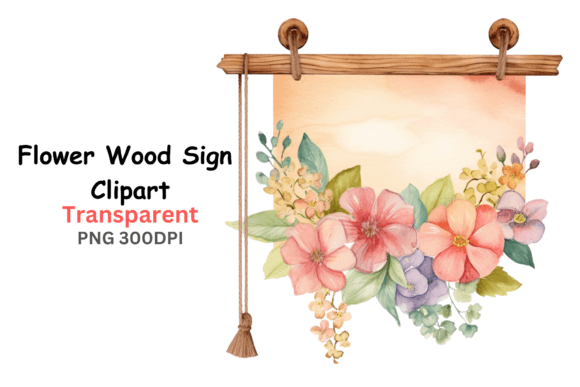
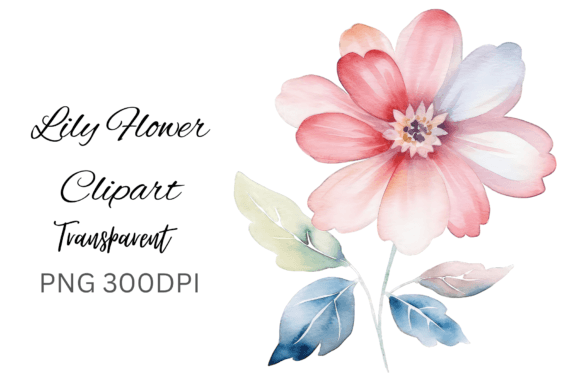
The immediate impact of Lily Flower Clipart is its delicate balance between realism and stylization. Unlike overly complex botanical illustrations that can clutter a layout, these lilies offer clean lines and soft gradients that evoke tranquility and purity. For a brand focused on wellness or natural beauty, this mood is invaluable. The visual elements feel curated rather than random, suggesting a level of professionalism that builds visual trust with the audience.
In terms of style, this clipart leans towards a modern design aesthetic. It avoids the dated, cartoonish look of older clipart libraries, opting instead for a sophisticated illustration style that pairs well with contemporary typography. Whether you are working on a wedding invitation suite or a minimalist logo design, the asset provides a strong foundation without overpowering the core message.
Versatility Across Client Projects
One of the primary concerns for any designer is versatility. Can this single asset work across multiple touchpoints? In my testing, Lily Flower Clipart proved remarkably adaptable. Here is how it performs in various design situations:
- Packaging Design: The floral motifs work beautifully on product labels for candles, soaps, and lotions. When placed against matte paper textures, the lilies add a tactile quality that enhances the perceived value of the product.
- Social Media Graphics: For Instagram posts and Pinterest pins, the clipart serves as an excellent decorative accent. It frames text effectively, guiding the viewer’s eye without competing with the copy.
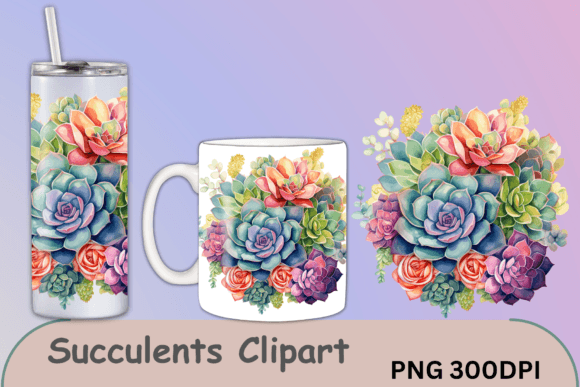
- Print-on-Demand: If you are running a print-on-demand business, this asset shines in t-shirt design and tote bag prints. The clear outlines ensure that the design remains crisp even when scaled up for larger merchandise.
- Cricut Project and Crafts: For those involved in Crafts, particularly users of cutting machines, the precision of the lines is crucial. This clipart translates well into SVG design formats, allowing crafters to create intricate sticker designs and paper cutouts with minimal weeding effort.
Strategic Placement and Visual Hierarchy
Understanding where to place Lily Flower Clipart is key to maintaining a strong visual hierarchy. In large layout areas, such as hero graphics on a website or full-page editorial design spreads, the lilies can act as the focal point. Their organic shapes break up the rigidity of grid-based web design, adding a human touch to digital interfaces.
However, designers must be cautious with crowded layouts. Because lilies have detailed petals and flowing stems, they can become visually noisy if placed near small text or complex background patterns. I recommend using them as supporting brand elements rather than the sole focus in busy compositions. For example, in a newsletter header, a single lily stem can provide elegance without distracting from the call-to-action button.
Where to Use With Caution
While versatile, this asset is not a one-size-fits-all solution. It should be used carefully in the following contexts:
- Minimalist Corporate Branding: If your client requires a stark, ultra-modern corporate identity, the organic nature of the lily might clash with geometric logos and sans serif font choices.
- Low-Contrast Designs: On dark backgrounds, ensure the clipart has sufficient contrast. If the PNG design does not include a white outline or glow effect, it may get lost against deep navy or black backgrounds.
- Small Sizes: When scaled down for favicon use or tiny footnotes, the intricate details of the lily petals may blur. Always preview the asset at the intended final size before committing to the layout.
Practical Designer Notes for Professional Use
Before integrating Lily Flower Clipart into a paid client project, I follow a strict checklist to ensure quality and compliance. These steps are essential for anyone treating this as a commercial design asset.
Test in Black and White: Remove all color to check the structural integrity of the illustration. A strong graphic design asset should hold its shape and recognizability even without hue. This step also helps determine if the design will work for cost-effective single-color printing methods often used in handmade business packaging.
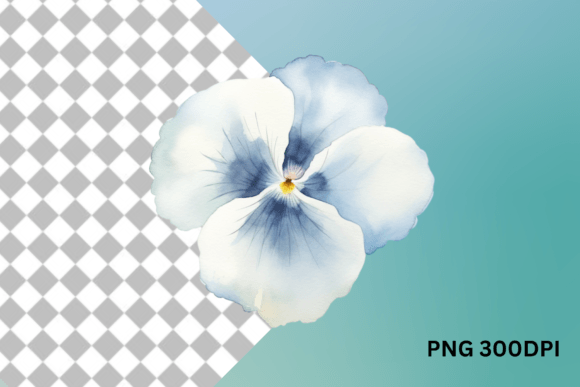
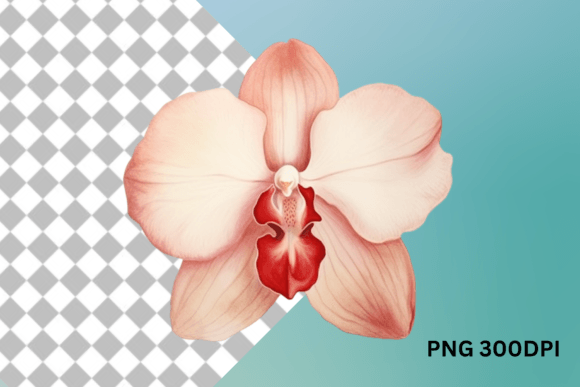
Check File Formats: Verify whether the download includes both PNG design files with transparent backgrounds and SVG design vectors. PNGs are ideal for quick drag-and-drop use in Canva templates, while SVGs allow for infinite scalability and color editing in professional software like Adobe Illustrator. For sublimation design, high-resolution PNGs are non-negotiable to prevent pixelation.
Typography Pairing: Experiment with different font styles. I found that Lily Flower Clipart pairs exceptionally well with elegant script fonts for wedding-related projects and clean sans serif fonts for modern branding. Avoid overly decorative display fonts that might compete with the floral details.
Licensing Verification: Always confirm the commercial license terms. If you are creating an Etsy product or a digital product for resale, ensure the license covers commercial use. Many creative marketplaces offer different tiers of licensing, so read the fine print to avoid legal issues down the line.
Enhancing Brand Identity and Engagement
Ultimately, the value of Lily Flower Clipart lies in its ability to enhance emotional appeal. In small business branding, connecting with the audience on an emotional level is crucial. The lily symbolizes renewal and beauty, which can subtly reinforce brand values without explicit text. When used consistently across marketing visuals, from business cards to blog visuals, it strengthens brand recognition.
For content creators and bloggers, incorporating this illustration into post headers can increase engagement by making the content feel more curated and less generic. It transforms a standard blog post into a visually appealing piece of editorial design.
In conclusion, Lily Flower Clipart is a robust tool for designers looking to add a touch of organic elegance to their projects. Whether you are designing for a local event, creating a new design bundle for sale, or refining the brand identity of a startup, this asset offers the flexibility and polish required for professional results. By respecting its visual limits and leveraging its strengths in transparency and scalability, you can elevate your creative design work significantly.