Carnation Flowers Clipart Sublimation for Crafts
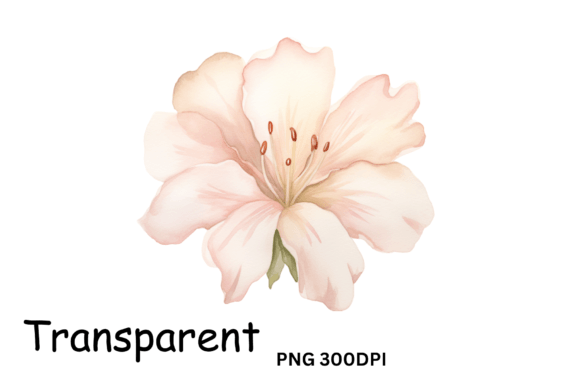
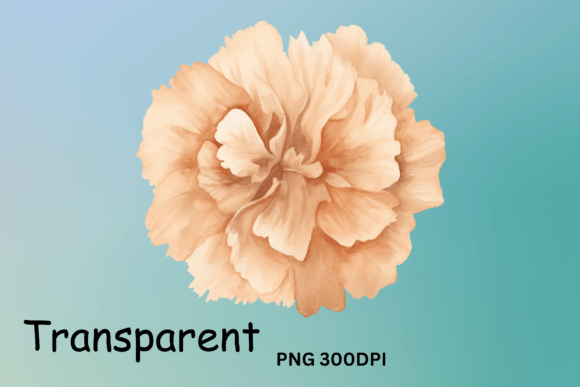
When a client approaches me with a request to refresh their boutique product line, the first thing I look for is emotional resonance. In the world of graphic design asset selection, aesthetics are not just about beauty; they are about communication. Recently, while developing a visual concept for a handmade soap and candle brand, I integrated Carnation Flowers Clipart Sublimation into the mood board. The immediate impression was one of softness and timeless elegance. This is not a loud, aggressive graphic. It is a delicate illustration that speaks to heritage, care, and natural beauty.
For designers, brand owners, and marketers, understanding the nuance of such a digital product is crucial. This clipart set does not scream for attention; it invites it. The style represents a blend of vintage botanical illustration and modern digital clarity. It fits naturally into projects targeting audiences who value artisanal quality, such as Etsy shop owners, print-on-demand sellers, and small business branding specialists. If your client is launching a seasonal campaign for Mother’s Day or a wedding collection, this asset provides the perfect visual foundation.
Integrating Floral Elements into Brand Identity
In real-world design situations, versatility is king. I tested Carnation Flowers Clipart Sublimation across various mediums to see how it held up. For packaging design, the floral motifs worked exceptionally well on label borders. They added a decorative accent without overwhelming the product name. When used in logo design, however, caution is required. These illustrations are detailed. They serve better as secondary brand elements or icons rather than the primary logomark, unless simplified significantly.
The asset shines in marketing visuals. I created several Instagram posts and Pinterest pins using the flowers as framing devices. The organic shapes helped break up the rigid grid of social media feeds, increasing audience engagement. For editorial design, such as blog headers or magazine spreads, the clipart provided a sophisticated touch that elevated the perceived value of the content. It transforms a standard text layout into a curated experience.
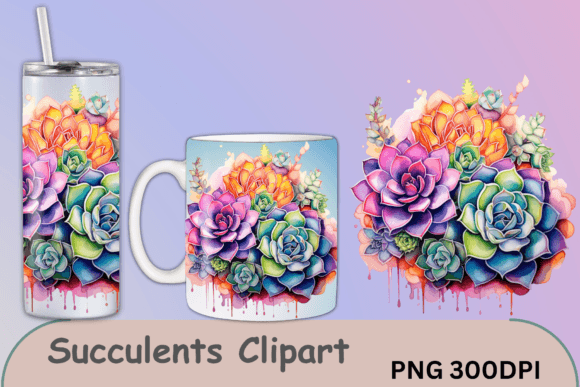
For those in the Crafts sector, specifically Cricut users and sublimation printers, the utility is high. The designs translate well onto physical products. I applied the graphics to tote bags and ceramic mugs via sublimation. The colors remained vibrant, and the lines stayed crisp. This makes it an ideal choice for print-on-demand businesses looking to expand their catalog with high-quality, nature-inspired items.
Strategic Placement and Visual Hierarchy
Understanding where to place these graphics is as important as choosing them. Carnation Flowers Clipart Sublimation performs best in large layout areas where it can breathe. Use it as a hero graphic on a landing page or as a central feature on a product mockup. It also works beautifully as a background pattern when opacity is reduced, creating a subtle texture for web design or printed stationery.
However, there are contexts where this asset should be used carefully. Avoid placing these detailed illustrations in small sizes, such as favicon icons or tiny footer text accompaniments. The intricate petals will blur and lose definition. Similarly, do not use them on crowded layouts. If your design already has heavy typography and multiple images, adding complex florals will destroy the visual hierarchy. The eye needs a place to rest, and too much detail creates visual noise.
Be cautious with low-contrast designs. If you place light-colored carnations on a pastel background, readability suffers. Always ensure there is sufficient contrast between the illustration and its backdrop. This is particularly important for sticker design and product labels, where clarity drives purchase decisions. For minimalist branding or professional corporate materials, this style may feel too ornate. It is best suited for lifestyle, beauty, wellness, and creative industries rather than finance or tech sectors.
Practical Designer Notes for Commercial Use
Before delivering any final files to a client, I run a series of technical checks. Here is my workflow for evaluating a design bundle like this:
- Test in Black and White: Convert the PNG design to grayscale. If the details disappear, the contrast is too low. This ensures the graphic works for single-color printing methods.
- Check Transparency: Inspect the PNG edges. Poorly masked clipart will have white halos around the petals, which looks unprofessional on dark backgrounds. Clean transparency is non-negotiable for sublimation design.
- Preview at Scale: Zoom out to 10% and zoom in to 400%. Ensure the vector paths (if using SVG design) are smooth and not pixelated. For raster files, check resolution suitability for large format prints.
- Font Pairing: Test the flowers with different typefaces. They pair elegantly with serif fonts for a classic look, sans serif fonts for a modern twist, and script fonts for a romantic feel. Avoid heavy display fonts that compete with the floral details.
- Licensing Verification: Always confirm the commercial license terms. Can you use it for client work? Can you sell it on physical products? Never assume. Protect your business and your client by reading the fine print.
When used correctly, Carnation Flowers Clipart Sublimation enhances brand consistency. It adds a layer of emotional appeal that pure typography cannot achieve. It builds visual trust by signaling attention to detail. For a handmade business, this level of polish distinguishes amateur efforts from professional brands.
Final Verdict for Creative Professionals
In the competitive landscape of the creative marketplace, having access to high-quality assets saves time and elevates output. This clipart set is a reliable tool for designers who need to create polished printable design materials quickly. Whether you are designing a Canva template for sale, creating custom t-shirt design concepts, or building a full brand identity for a local florist, these carnations offer flexibility and charm.
Remember, the goal is not just to decorate, but to communicate. Use these flowers to soften harsh layouts, to add warmth to digital ads, and to create a cohesive narrative across all touchpoints. By respecting the limitations of scale and contrast, you can leverage this creative design resource to deliver exceptional results. For any designer working in the realm of Crafts and commercial art, this asset deserves a spot in your library. It is not just a picture; it is a tool for storytelling.