Reviewing the Christmas Elf Bow for Holiday Embroidery Projects
As a designer who has spent countless hours digitizing and testing machine embroidery design files, I approach every new asset with a critical eye. It is not just about whether the image looks cute on a screen; it is about how it translates to thread, how it behaves on fabric, and whether it holds up under the scrutiny of a paying customer. Recently, I evaluated the Christmas Elf Bow to determine its viability for real-world applications, ranging from quick holiday gifts to boutique merchandise. Here is my practical assessment of this festive motif.
First Impressions and Visual Personality
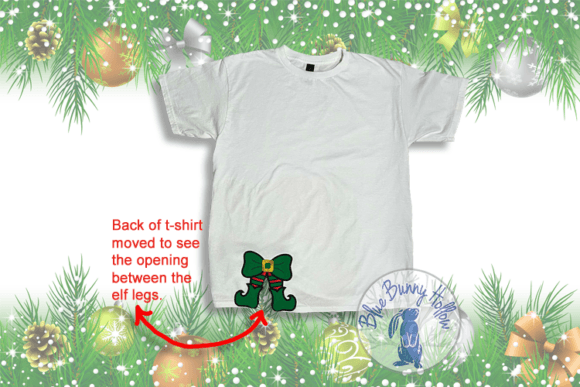
The Christmas Elf Bow immediately strikes a balance between whimsical and polished. Unlike generic bow designs that can appear flat or overly complex, this design leverages clean lines and strategic spacing to create depth without excessive stitch bulk. The mood it creates is undeniably cheerful, evoking the spirit of holiday embroidery without feeling cluttered. For a designer, the layout is promising because it offers a clear focal point. The shape suggests movement, mimicking the way a real ribbon curls, which adds a layer of sophistication to what could otherwise be a simple graphic.
When I first loaded the embroidery file into my software, I looked closely at the transition between the loop sections and the tails. The visual personality here is soft yet defined. It does not rely on heavy fill stitch areas that might cause puckering on lighter fabrics. Instead, it appears to utilize a mix of satin stitch for the edges and structured fills for the body of the bow. This combination is crucial for maintaining clarity, especially when the design is scaled down for smaller items like baby clothes or up for statement pieces like tote bags.
Real-World Application and Case Study
To truly test the Christmas Elf Bow, I moved beyond digital mockups and considered a specific client project: a set of custom tote bag design concepts for a local boutique preparing for their winter market. The goal was to create a product that felt handmade but professional, suitable for gifting or personal use. I envisioned placing the bow on a canvas tote, paired with minimal text to let the graphic shine.
In this scenario, the design performed well in my mental simulation. The boldness of the bow ensures it remains visible from a distance, which is essential for retail displays. However, I also considered its application on sweatshirt embroidery. A cozy, heather-gray crewneck with this bow placed over the heart area would appeal to customers looking for subtle festive wear. The design’s proportions seem ideal for the left chest area, avoiding the heaviness that larger motifs often bring to knit fabrics. For custom apparel, this versatility is a significant advantage, allowing sellers to offer multiple product types using the same design assets.
Performance on Various Fabrics and Surfaces
One of the most critical aspects of any embroidery project is how the design interacts with different materials. The Christmas Elf Bow appears robust enough for sturdy fabrics like denim or canvas, where the stitches can sink in slightly without losing definition. On these textures, the thread colors will pop, especially if you choose high-contrast combinations like red on white or green on black.
However, caution is needed when working with stretchy or thin fabrics. If you plan to use this on baby embroidery items, such as onesies or soft cotton bibs, the stitch density must be monitored. While the design does not look overly dense, any satin column that is too wide can pull on lightweight knits. I recommend using a high-quality cut-away stabilizer for these applications to ensure the finished product retains its shape after washing. Similarly, for embroidered patch creation, the design’s clean edges would allow for easy cutting and merrowing, making it a strong candidate for iron-on accessories.
Curved surfaces, such as caps or hats, present another challenge. The bow’s symmetry needs to be centered perfectly to avoid looking skewed. When digitizing or adjusting for a cap, ensure the pull compensation is accurate so the loops do not distort. For flat items like tea towels or pillow covers, the design should lay flat and crisp, provided the hooping is tight and even.
Commercial Viability and Brand Consistency
For Etsy seller accounts and small shop owners, the visual appeal of a design directly impacts buyer engagement. The Christmas Elf Bow has a timeless quality that avoids trending too hard into specific yearly fads, making it a reusable asset for multiple seasons. This longevity is vital for building a consistent brand identity. Customers trust products that look professional, and a clean, well-stitched bow conveys quality.
When creating printable mockup previews for your online store, this design offers excellent versatility. It looks equally good in vibrant holiday colors or muted, rustic tones. This flexibility allows you to target different customer segments, from those who love traditional red and green to those who prefer modern neutrals. As a commercial embroidery asset, it adds value to personalized gifts, such as monogrammed stockings or named ornaments, by providing a decorative frame that enhances rather than overwhelms the text.
Practical Designer Notes and Testing Protocol
Before committing to a large production run or listing the item for sale, I always follow a strict testing protocol. Here are my recommendations for working with the Christmas Elf Bow:
- Test on Scrap Fabric: Always stitch out the design on the actual fabric you intend to use. Check for thread breaks or nesting, particularly in the tight corners of the bow loops.
- Check Thread Contrast: View the design in black and white on your screen. If the details disappear, the contrast may be too low for certain fabric backgrounds. Adjust your thread palette accordingly.
- Review Stitch Density: Examine the underlay and top stitches. If the design feels stiff after stitching, consider reducing the density slightly in your editing software, if permitted by the license.
- Confirm Hoop Size: Ensure the design fits comfortably within your hoop with adequate margin for stabilizer grip. Do not push the design to the very edge of the hoop area.
- Inspect Small Details: Look for any tiny isolated stitches that might not catch properly. These can often be trimmed or merged manually if necessary.
- Verify Licensing: Before selling digital embroidery file derivatives or finished items, confirm the license terms. Most designers allow commercial use of finished physical goods but restrict the resale of the digital file itself.
In conclusion, the Christmas Elf Bow is a solid addition to any holiday-themed library. It balances aesthetic charm with technical practicality, making it suitable for a wide range of craft business applications. By paying attention to fabric choice, stabilization, and stitch quality, you can ensure that this design elevates your small shop product lineup and delights your customers with professional-grade results.